Mini Coffee Corner Ideas: 12 Spots That Work
Twelve mini coffee corner ideas for kitchens, bedrooms, closets and offices, with the depth, power and clearance each spot actually needs to work.
Skip to the goods in this piece (5) ↓
A mini coffee corner is a different problem from a full coffee bar: the question is not how to fit more, it is which four or five objects earn the square footage. The twelve spots below cover kitchens, bedrooms, closets and hallways, and each one runs into a specific limit on depth, power or clearance. Those limits are worth knowing before the furniture arrives.
1. The Actual Corner, Where Two Walls Meet
A triangular corner shelf unit turns the one piece of floor that no rectangular furniture fits into usable surface. The catch is the shape: a 24-inch corner shelf gives close to two square feet on paper, but only about ten usable inches at the front point, so the back of every tier becomes deep storage. Load it accordingly, with the kettle and mugs forward and the backstock behind. Corners are also the spot most likely to have a receptacle low on one of the two walls rather than at counter height, so check where the cord has to run before the unit goes in.
2. The End Cap of a Counter Run
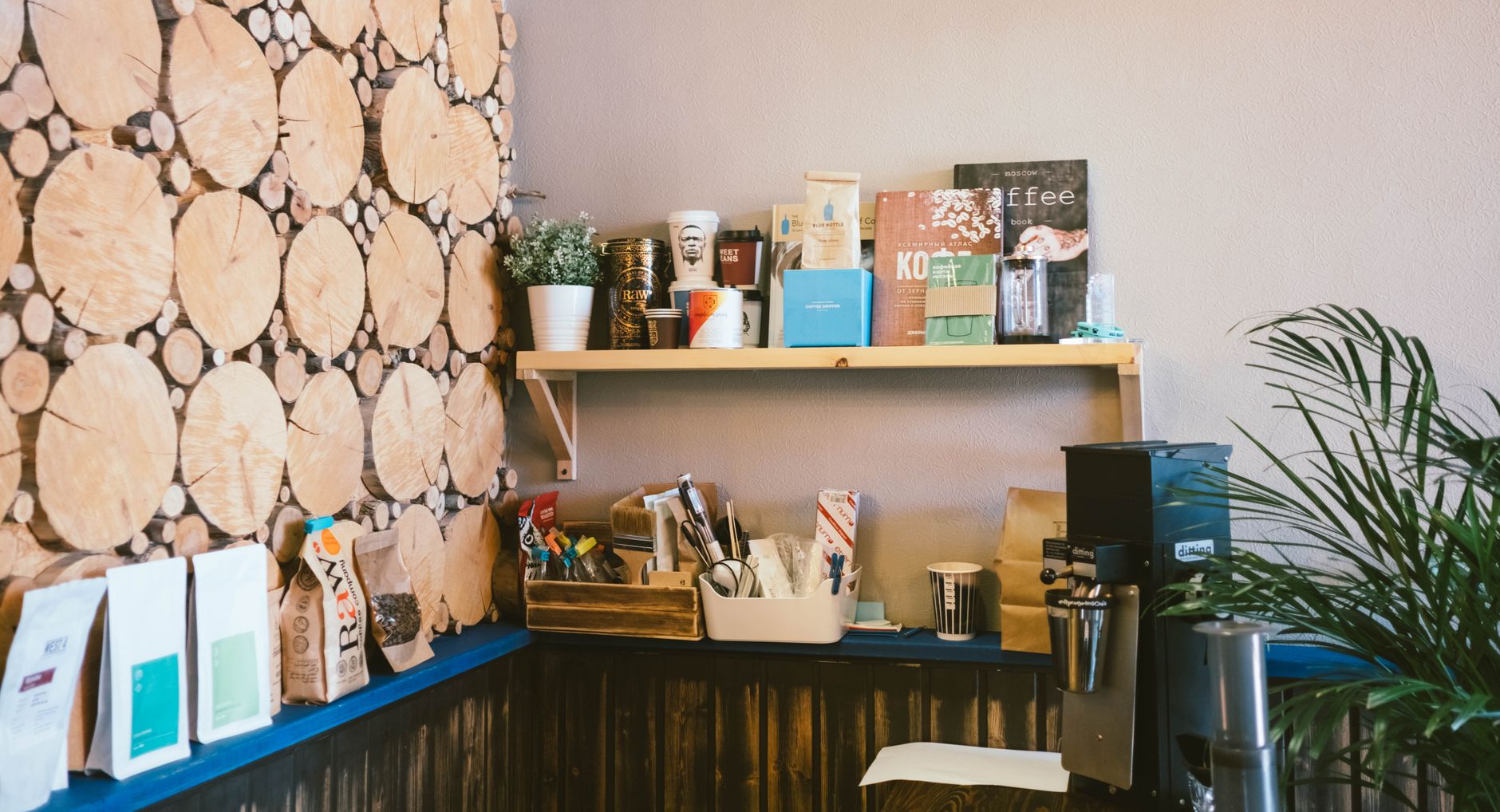
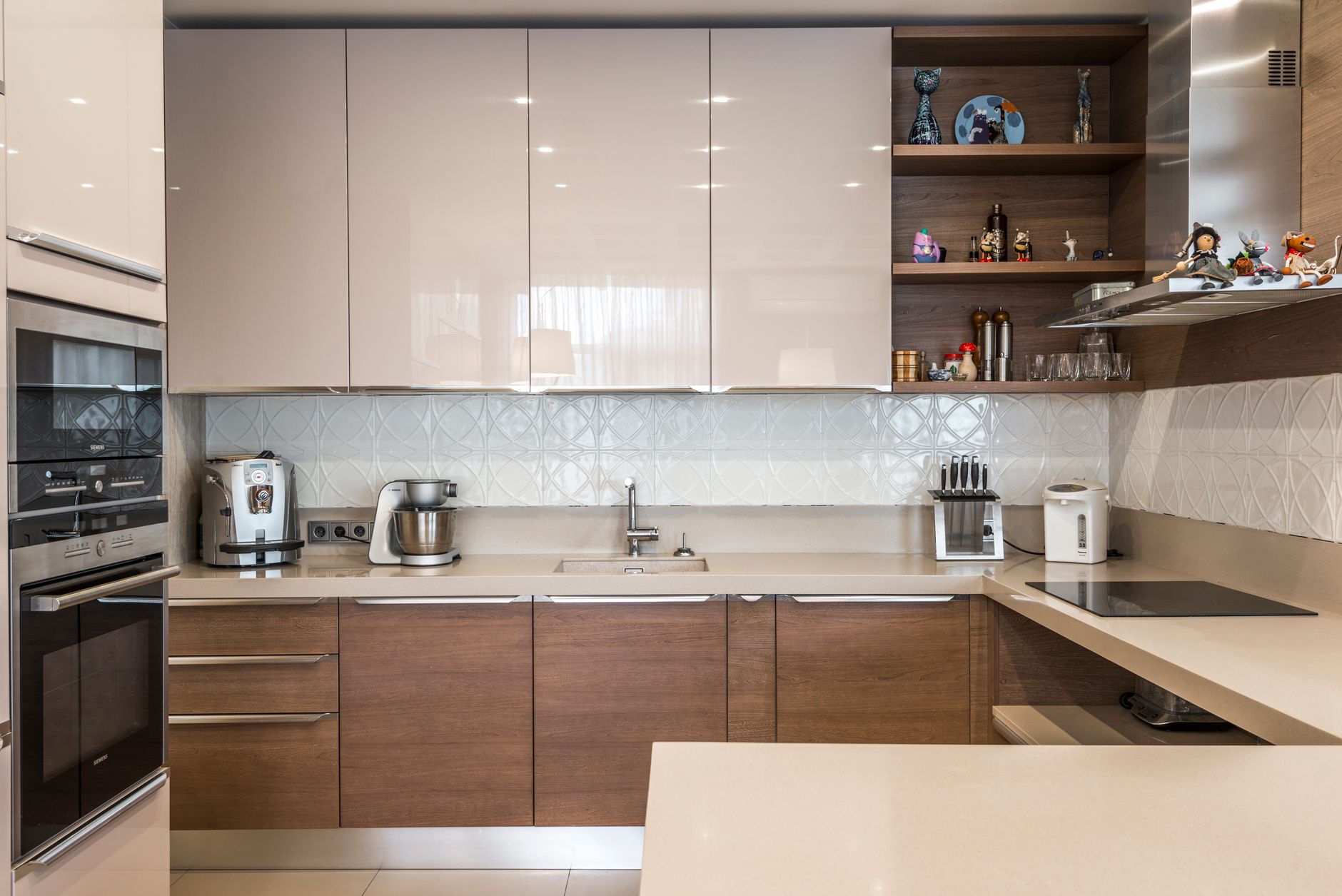
The last 18 to 24 inches of a counter, where the run terminates against a wall or opens into a walkway, is the most natural coffee area on counter space that most kitchens have. Nothing else wants that spot, since it is too short for prep and too exposed for storage. It also means the machine is approachable from two sides instead of one, which matters when two people are getting out the door at the same time. The one thing to check is the cabinet above: end-of-run uppers frequently stop short of the counter’s end, which either gives extra vertical clearance for a tall machine or removes the surface a shelf and lighting would mount to.
3. A Nightstand-Depth Table in the Bedroom
A narrow table 16 to 18 inches deep fits along a bedroom wall without pushing into the walking path, and holds a kettle, a press and two mugs with room to pour. Height is the part people get wrong: a 24-inch nightstand puts everything at sitting level and makes standing pours awkward, while a console in the 30-inch range works upright. Keep it away from the bed’s sight line if the machine has an indicator light.
4. Dresser Top, Contained by a Tray
A dresser has surface and no purpose for it, which makes it the easiest coffee nook in a bedroom or guest room. The tray is doing structural work here. Without it, coffee gear spreads across the whole top within a week and reads as clutter on furniture rather than as a station, and a small round serving tray contains it in a shape that suits a dresser better than a rectangle does. Put felt pads or a folded cloth under anything that gets hot, since dresser tops are usually veneer over particleboard and take heat rings badly.
5. The Coffee Closet
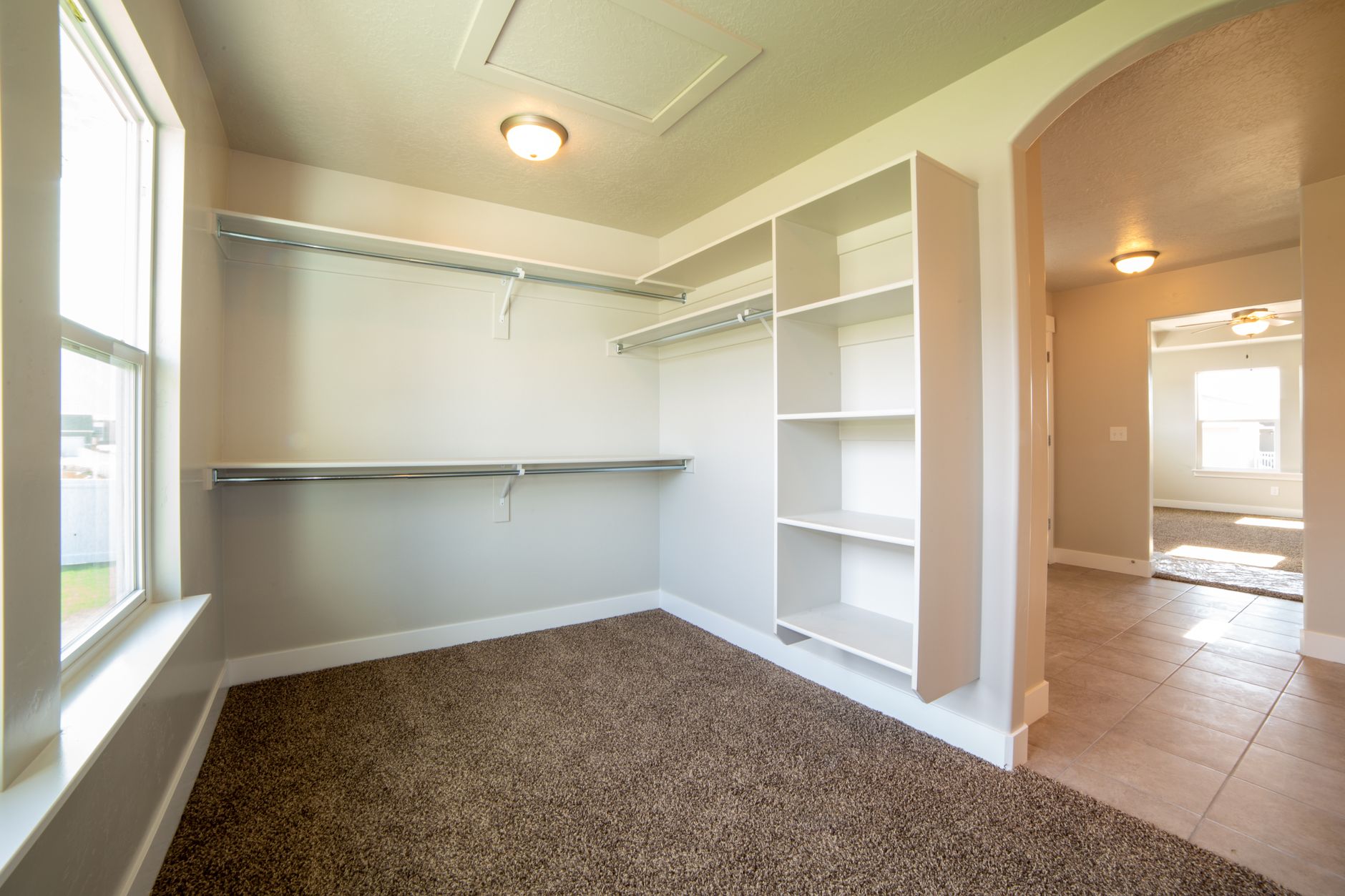
A reach-in closet is typically 24 inches deep and five to six feet wide, which is more square footage than most kitchen coffee corner ideas ever get. Pull the rod, run shelves at working height and above, and the whole station closes behind a door when guests come over. Two things decide whether it works: an electrician putting a receptacle inside, and enough air movement that steam is not trapped in an enclosed box with the beans.
6. The Gap Between Fridge and Wall
Refrigerators are usually installed with a couple of inches of clearance on each side, and in a lot of kitchens that gap runs five to seven inches and is filled with nothing. A slim pull-out rack in that slot holds beans, filters and syrups vertically at the exact spot the station already occupies. Skip the side of the fridge with the compressor exhaust, which is the warm one, and skip it entirely for whole beans if the gap is above the coils.
7. Desk-Side Corner in a Home Office
The far corner of a desk works if the kettle sits on a hard tray rather than on the desk surface, and if the power draw is thought through. Kettles pull around 1,500 watts, which is most of a 15-amp circuit on its own, so sharing a strip with a space heater or a laser printer will trip a breaker eventually. A gooseneck electric kettle is the right appliance here for a duller reason: it is the quiet one, and a burr grinder on a video call is not.
8. Dining Room Sideboard
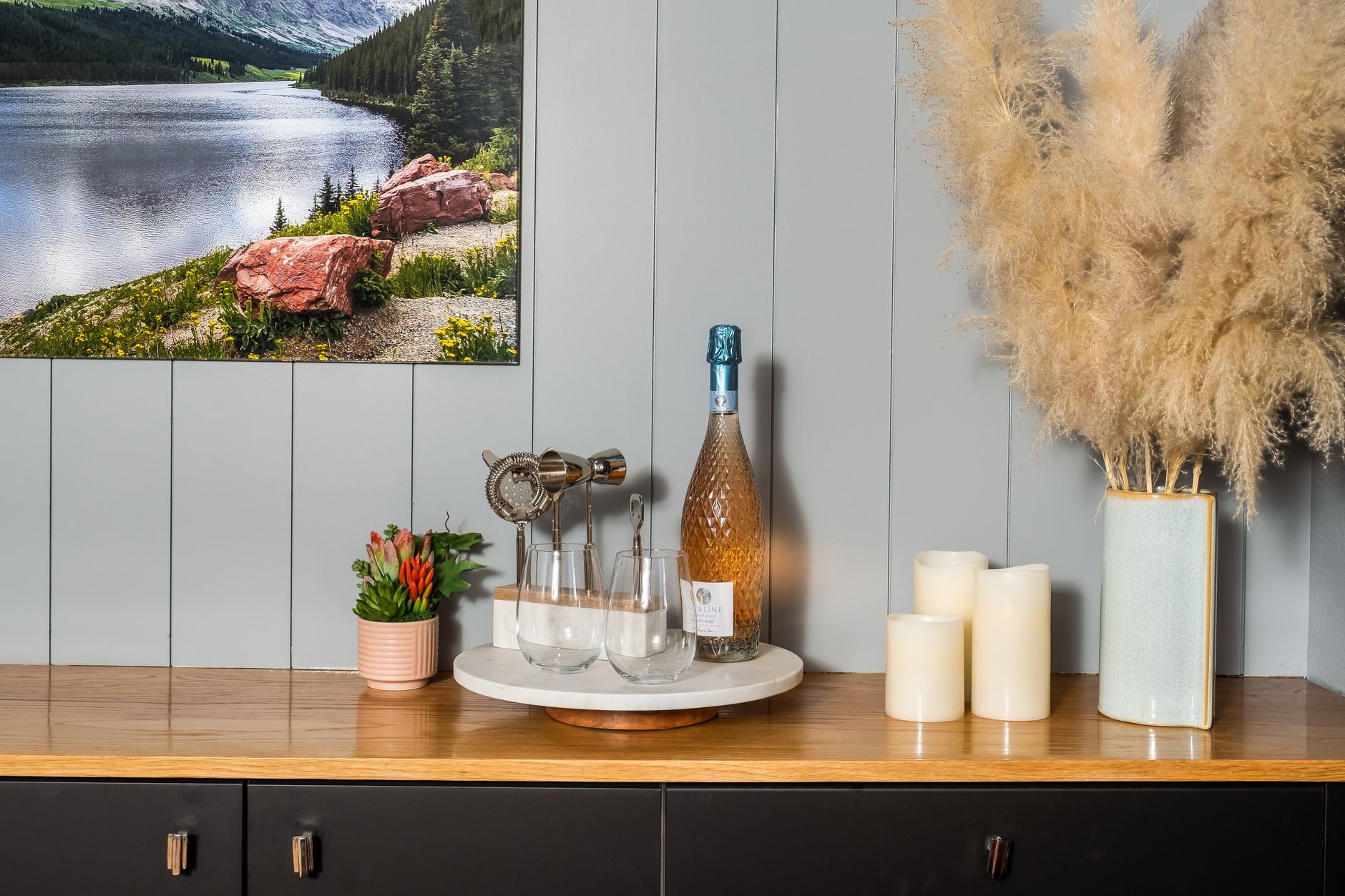
A sideboard is already the right height and already has closed storage underneath, which is most of what a coffee corner needs. Using it means the station is visible from the table, so this is the version where the objects themselves have to look decent: a carafe rather than a pot, real canisters rather than bags with the tops rolled down. Sideboards near a dining table also tend to be the one place a small station can expand into a drinks setup for the evening without any rearranging.
9. Under the Stairs
The tall end of an understairs void, where headroom is still five feet or more, takes a full station with room above for shelves. The short end takes a small fridge and nothing else, since anything requiring a person to stand upright is out. Power is almost never present in that space, so a receptacle has to be added rather than assumed.
10. Guest Room, Hotel-Style
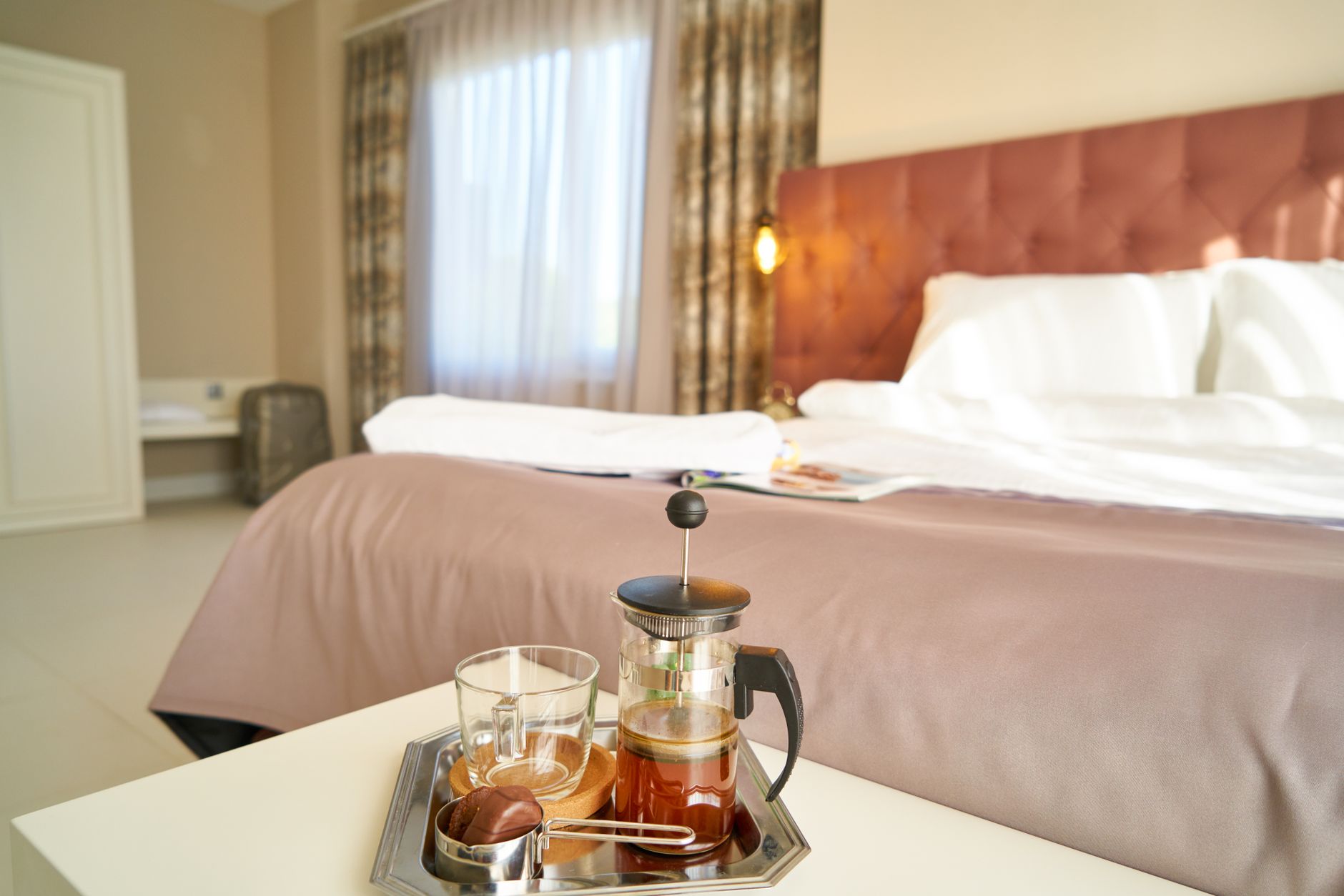
A kettle, a press, a covered canister and two mugs on a tray covers a guest for a weekend and takes about the surface of a placemat. Leave out the grinder. Guests do not know how it works, it is loud in a quiet house at six in the morning, and pre-ground in a sealed container is the version that actually gets used. A short list of what genuinely belongs on a minimal setup is in coffee bar essentials.
11. Stacked Corner Floating Shelves
Two or three shelves stacked in a corner give a station with no footprint at all, which is the move for a galley kitchen or a studio. Corner-mounted shelves need both walls to carry load, so this wants studs or proper toggles on each leg rather than a single anchor at the joint. Ten to twelve inches of vertical spacing clears a mug; fourteen clears a canister with a lid that lifts.
12. The Window Corner, With One Caveat
A corner with daylight is the one people photograph and the one that quietly ruins beans. Direct sun raises surface temperatures well past what a paper bag protects against, and it degrades roasted coffee faster than air exposure does. Keep the corner and move the beans into an opaque airtight bean canister, or store them a cabinet away and bring out only what the week needs.
Power, Water, and the Two Real Limits
Every spot on this list outside a kitchen runs into the same two questions. Power is usually solvable, since almost any corner is within reach of a receptacle and the only real constraint is not stacking two heating appliances on one circuit. Water is the harder one: no plumbing means a jug, a dispenser, or a walk to the sink, and how far that walk is determines whether the corner gets used on a weekday or only on weekends.
Refrigeration is the optional third. A compact cube refrigerator at roughly 19 inches per side fits under a shelf or beside a console and turns a coffee nook into something that handles milk without a trip to the kitchen, at the cost of a constant low hum in a bedroom. For corners that live in the kitchen and have to share counter with everything else, the depth-first approach in coffee bar ideas for small spaces is the closer fit, and renters working without permission to drill will get more out of apartment coffee bar ideas.
Some links in this article are affiliate links — if you buy through them we may earn a commission at no extra cost to you. Details.